
Introduction
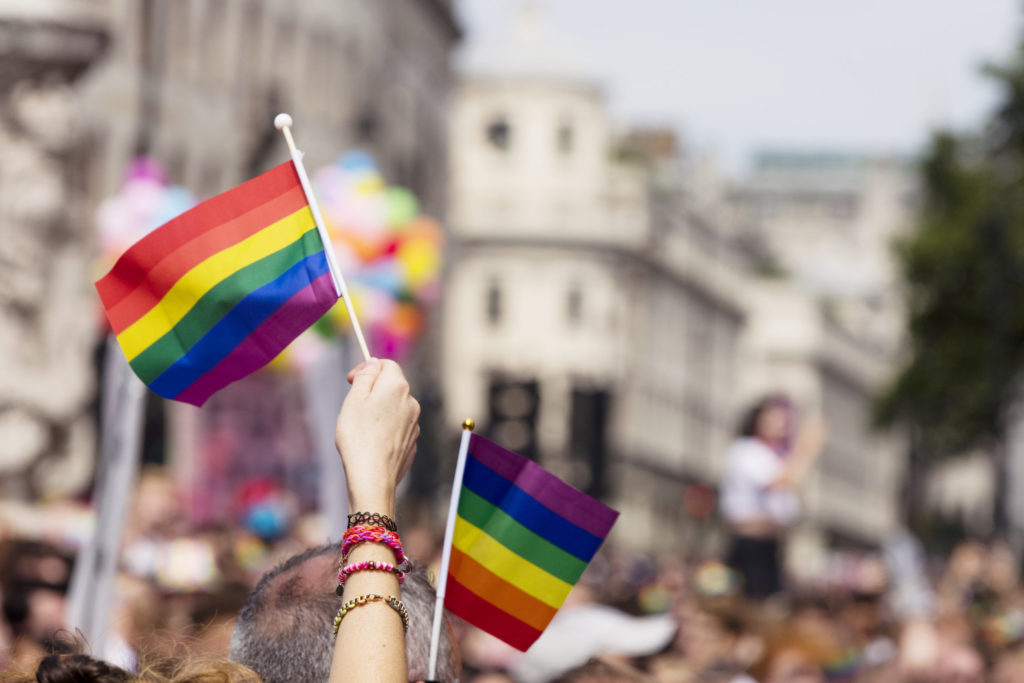
As the calendar turns to June, rainbow-coloured logos splash across social media and company websites in a deluge of corporate enthusiasm for Pride month. The same trend re-emerges during Black History Month in October. The intention, ostensibly, is to show solidarity, but the increasing cynicism among many stakeholder groups suggests a different narrative: that these are mere exercises in box ticking, more about brand boosting than sincere advocacy.
Timeline
One only needs to look at the fallout for several prominent companies to understand how this form of performative allyship can backfire. In 2020, AT&T came under fire when an investigation revealed that while their logos glowed in rainbow hues, the company was simultaneously donating to anti-LGBTQ+ politicians. This contradictory behaviour not only created a public relations nightmare but also damaged their credibility and trust with the very communities they claim to support.
Similarly, in 2021, Starbucks was criticised for prohibiting employees from wearing Black Lives Matter attire while publicly proclaiming support for the movement. This kind of dissonance between outward branding and internal policies sends a message to customers and employees alike: that these companies see equality, diversity and inclusion (EDI) as marketing strategies, not fundamental values.
The danger lies in treating Pride and Black History months as opportunistic events rather than moments to celebrate and affirm the company’s year-round commitment to EDI. Such box-ticking exercises reduce a month of celebration to mere branding opportunities, potentially alienating not only the groups they aim to support but also discerning customers who expect more than lip service from the businesses they patronise.
This is not to suggest that corporations should remain silent during these events. On the contrary, businesses have a unique role and responsibility in promoting social change. But this advocacy must be authentic, consistent, and backed by meaningful action. It must be part of the organisational DNA, woven into every policy and practice, and reflected in the diversity of their workforce at all levels.
Companies like Patagonia have built a robust brand reputation around genuine commitment to their values. From their dedication to sustainability to their stand on controversial political issues, Patagonia’s actions align with their words, earning them not only the respect and loyalty of their customers but also the admiration of their industry.
Navigating EDI requires more than lip service from organisations. It demands an enduring commitment, demonstrated not only during commemorative months but as a year-round culture embedded in their core operations. Concrete actions should be evident in a company’s hiring practices, workplace culture, vendor relationships, and even their political contributions, showcasing unwavering support for LGBTQ+ rights and racial equality.
Moreover, this commitment extends far beyond fleeting social media posts or press releases. It involves active engagement with these communities, meaningful collaboration with advocacy groups, and substantial investment in initiatives that drive palpable change. According to McKinsey’s research, companies with executive teams in the top quartile for gender diversity are 25% more likely to experience above-average profitability, demonstrating the clear advantage of fostering diverse perspectives.
Additionally, it’s paramount for businesses to recognize that EDI aren’t simply ethical imperatives; they are strategic levers that can significantly enhance business performance. For instance, a study by Harvard Business Review found that diverse companies are 70% more likely to capture new markets. Simultaneously, the Boston Consulting Group revealed that companies with diverse management teams enjoy a whopping 19% revenue uplift due to heightened innovation.
Finally, businesses must take the lead in promoting transparency and accountability in their EDI initiatives. This commitment to openness not only strengthens trust but also stimulates continual progress. According to Deloitte, organisations with inclusive cultures are twice as likely to exceed financial targets, further underscoring the commercial value of meaningful inclusivity.
Conclusion
Businesses that want to excel in today’s diverse world need to make EDI an authentic, embedded, and measurable aspect of their strategy, not an optional, box-ticking exercise. Today’s consumers demand more than symbolic gestures; they want businesses to be true allies and advocates. This requires more than just a temporary logo change or a tweet of support; it demands an authentic, enduring commitment to change. Only then can companies foster a culture of pride and diversity that benefits everyone – clients, stakeholders, and employees alike. It’s high time businesses wake up to the truth: tokenistic box ticking is a recipe for disaster, not progress.