
How to avoid the pitfalls of ultimate responsibility
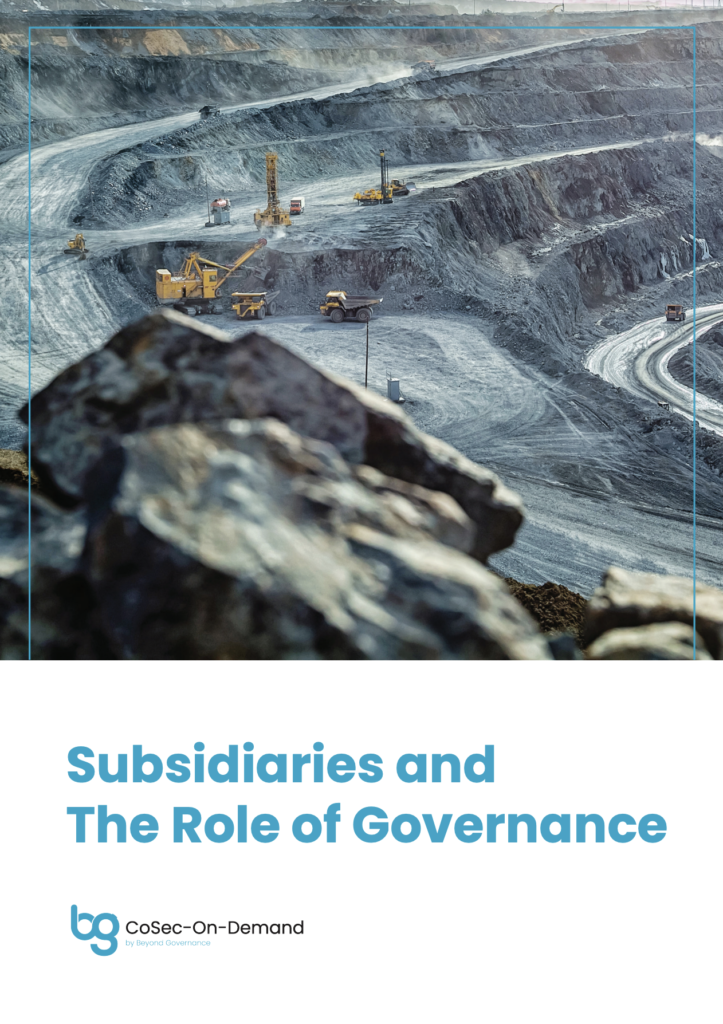
Friday saw news that the chief executive of Rio Tinto, Jean-Sébastien Jacques, had stepped down from his position. This was following an incident in May, where two ancient caves in Pilbara, Western Australia were destroyed.
While he may not have been the person who was on site and excavating the land, he is, as Chief Executive, responsible and ultimately accountable for all the decisions made in the world’s biggest iron ore miner. As a result, he has been sacked and his severance package has been severely dented.
This is not an isolated case, there have been several corporate scandals publicised throughout the summer where gaps in process, not following policy and general oversight has meant catastrophic consequences for leaders and throughout their business; Boohoo had its share price hit hard and lost distribution contracts following allegations of slavery and a vast number of companies have taken huge Government backed COVID loans but are still making redundancies such as M&S.
So what is the common thread here? Being a CEO or being on a Board means you are ultimately responsible for how your organisation is run. Enough to keep you wide awake at night, right? Even with effective board advisory, this really can be a massive undertaking!
With a number of businesses embracing the remote working business model and avoiding the overheads of premises, it is even more important to have a framework which shows how accountable directors are for everything that goes on to ensure they have the business health they desire.
The reality is that they cannot have immediate visibility of everything but what they can have is good checkpoints in the business to act as a safety net to catch breaches in policy or misguided actions.
Knowing where to put the checks and balances into your business framework can be a minefield, particularly if you want to rely on these for assurance, however once they are in the right place they help you to:
- achieve operational and strategic efficiencies
- minimise loss by understanding your risk appetite
- provide a workforce with autonomy
- attract investors
- increase profits
- futureproof your business
- bolster your return on investment
- avoid damaging your reputation
…as well as giving you a full night’s sleep.
If you would like to hear more on how we can help improve accountability within your business have a chat with one of our Corporate Strategists now.